Call us now :08045475875
 Send Inquiry
 Send Inquiry
Acetic Acid
Price 50 INR/ Kilograms
MOQ : 5000 Kilograms
Acetic Acid Specification
- Poisonous
- Yes
- Melting Point
- 16.6°C
- Ph Level
- 2.4 (1 M solution)
- Other Names
- Ethanoic Acid, Glacial Acetic Acid, Vinegar Acid
- Refractive Rate
- 1.371 (20°C)
- Form
- Clear, colorless liquid
- Smell
- Strong, vinegar-like odor
- Shape
- Liquid
- Molecular Formula
- C2H4O2
- Purity
- 99.8% - 100%
- HS Code
- 29152100
- Solubility
- Miscible with water, alcohol, ether, and glycerol
- Structural Formula
- CH3COOH
- Density
- 1.049 Gram per cubic centimeter(g/cm3)
- Molecular Weight
- 60.05 g/mol
- Storage
- Store in a cool, dry, well-ventilated area, away from heat and sources of ignition
- Taste
- Pungent, sour
- Boiling point
- 118°C
- Classification
- Carboxylic Acid
- Chemical Name
- Acetic Acid
- CAS No
- 64-19-7
- EINECS No
- 200-580-7
- Grade
- Industrial, Food, Reagent
- Standard
- Conforms to ASTM/ISO standards as per application
- Type
- Organic Acid
- Usage
- Industrial, laboratory, food additive (as permitted)
- Main Material
- Acetic Acid (CH3COOH)
- Application
- Textile, food industry, pharmaceuticals, chemical synthesis
- EC Number
- 200-580-7
- Autoignition Temperature
- 427°C
- Appearance
- Clear, colorless liquid
- Flash Point
- 39°C (closed cup)
- Vapor Pressure
- 11.4 mmHg at 20°C
- Packaging Size
- 35 kg, 50 kg, 200 kg drums, IBC tote, bulk
- UN Number
- 2789
- Shelf Life
- 2 years under recommended storage conditions
- Hazard Statement
- Causes severe skin burns and eye damage
- Signal Word
- Danger
- Viscosity
- 1.22 mPa·s at 25°C
Acetic Acid Trade Information
- Minimum Order Quantity
- 5000 Kilograms
- Supply Ability
- 20000 Kilograms Per Day
- Delivery Time
- 7 Days
About Acetic Acid
SPECIFICATION
| Country of Origin | Made in India |
| CAS Number | 64-19-7 |
| Usage/Application | Industrial |
| Form | Liquid |
| Physical State | Liquid |
| EC No. | 200-580-7 |
| HS Code | 29152100 |
| Brand | GNFC |
| Grade Standard | Industrial Grade |
| Packaging Details | 30KG DRUM |
| Packaging Type | 30KG DRUM |
| Purity % | 99% |
| CAS No | 64-19-7 |
| Packaging Size | 30KG |
Versatile Industrial Applications
Acetic Acid serves as a vital component across multiple industries. In textiles, it's utilized in dyeing processes; in food, it acts as a permitted additive; in pharmaceuticals and chemical synthesis, it functions as a reagent or key raw material. Its high purity and adaptability make it suitable for industrial, laboratory, and food-grade applications, ensuring compliance with ASTM and ISO standards.
Safety and Storage Precautions
Due to its corrosive and hazardous properties, acetic acid requires careful handling. It causes severe skin burns and eye damage; therefore, appropriate personal protective equipment is necessary. For optimum shelf life (up to 2 years), store in a cool, dry, well-ventilated environment, away from sources of ignition and heat, using containers like drums or IBC totes engineered for chemical storage.
FAQ's of Acetic Acid:
Q: How should acetic acid be safely stored and handled?
A: Acetic Acid should be stored in a cool, dry, well-ventilated area, away from direct heat and open flames. Always use appropriate chemical-resistant containers such as drums or IBC totes, and wear protective gear including gloves and goggles during handling to prevent severe burns or eye injuries.Q: What are the key industrial uses for acetic acid?
A: Acetic Acid is extensively used in the textile industry for dyeing, in the food sector as a permitted additive (E260), in pharmaceuticals for drug synthesis, and in general chemical manufacturing. Its high purity and versatility make it a valuable asset across these applications.Q: When does acetic acid expire and how is shelf life affected?
A: When stored under recommended conditions-cool, dry, and well-ventilated-acetic acid maintains its integrity for up to 2 years. Exposure to heat, moisture, or air can reduce its shelf life and effectiveness, so proper storage is essential.Q: Where can acetic acid be sourced in different packaging sizes?
A: Acetic Acid is available from manufacturers, suppliers, distributors, and traders in India, packaged in 35 kg, 50 kg, 200 kg drums, IBC totes, or bulk shipments. Choose packaging based on your industrial or laboratory requirements.Q: What makes acetic acid beneficial in chemical synthesis?
A: Its high purity (99.8-100%) and excellent miscibility allow acetic acid to act as an effective reagent and solvent in a wide range of chemical reactions, ensuring precise and reliable results in synthesis processes.Q: How is acetic acid used in the food industry?
A: Acetic acid, labeled as E260, is used as an acidulant and preservative in food products. It alters pH, inhibits microbial growth, and imparts a sour taste when food-grade standards are met.Q: What should be done in case of accidental exposure to acetic acid?
A: If acetic acid comes in contact with skin or eyes, immediately rinse the affected area with plenty of water for at least 15 minutes and seek medical attention. Inhalation or ingestion requires urgent medical evaluation, as the substance is corrosive and can cause severe harm.
Tell us about your requirement

Price:
Quantity
Select Unit
- 50
- 100
- 200
- 250
- 500
- 1000+
Additional detail
Mobile number
Email

More Products in Acid Category
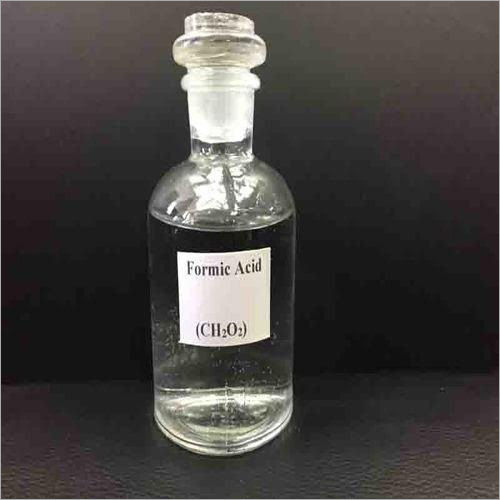
Formic Acid
Price 58 INR / Kilograms
Minimum Order Quantity : 5000 Kilograms
Classification : Other, Organic Acid/Inorganic Chemicals
Usage : Industrial, Agricultural, Laboratory
Shape : Other, Liquid
Purity : 85%, 90%, 94%, 98%, or as specified

"We are accepting only bulk order quantity."
 Send Inquiry
Our Products
- Inorganic Chemicals
- Calcium Carbonate Powder 300 Mesh to 3000
- Calcite Powder
- Lime Stone 1-4MM
- Dolomite Powder
- Limestone Chips 2 to 8 MM
- Sodium Sulphate 99 Percent
- Magnesium Sulphate
- Ferrous Sulphate
- Ammonium Sulphate
- Calcium Carbonate Powder Coated
- Acids
- Magnesium Chloride Flakes
- Bleaching Powder
- Quick Lime
- Sulphuric Acid
- Monosodium Phosphate Crystal
- Limestone Lump
- Soda Ash Light
- Technical Grade Pesticides
- Potassium Carbonate Granual & Powder
- White Marble Powder
- Silicone Defoamer
- Sodium Acetate Trihydrate
- Dicalcium Phosphate Granules
- Water Treatment Chemicals
- Aluminium Sulphate
- Acid
- Chemical Powder
- Calcium Carbonate Powder
- Acid Chemical
- Caustic Soda Flakes
- Sodium Sulphate
- Limestone Chips
- Technical Grade Urea
- Industrial Refined Salt
- GACL Hydrogen Peroxide
- Himalayan Rock Salt Lump
- Citric Acid Monohydrate
- Non Ferric Alum
- Limestone
- Ferric And Non Ferric Alum
- Caustic Soda
- Lime Powder
- Rust Converter For Engineering Industry
- Caustic Soda Lye And Soda Flakes
- Hydrogen Peroxide

SURVEY NO 596/7, PLOT NO 07, YOGI ESTATE 4,
JITALI, ANKLESHWAR,Ankleshwar - 393002, Gujarat, India

Mr Shailesh PATEL
(PARTNER)
Mobile :08045475875
 Send Inquiry
 Send SMS
Developed and Managed by Infocom Network Private Limited.
